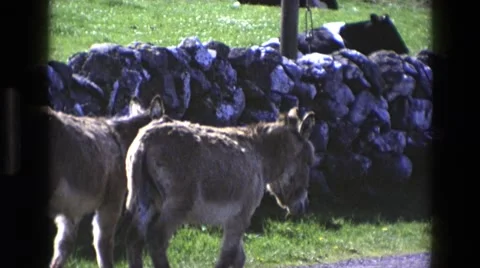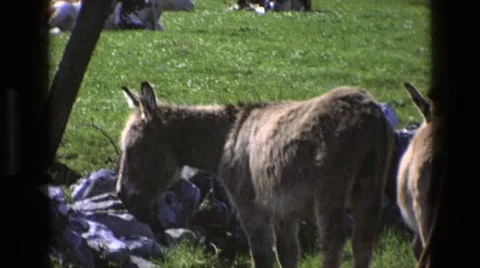
1969 Ireland
(450)

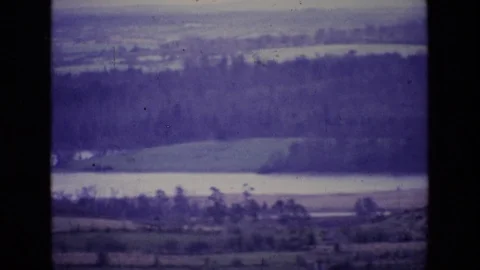
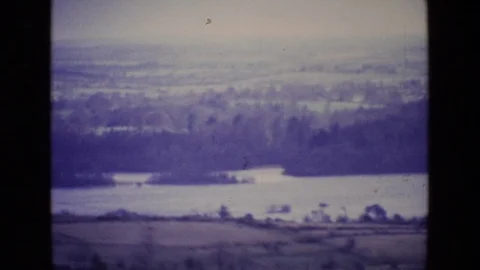
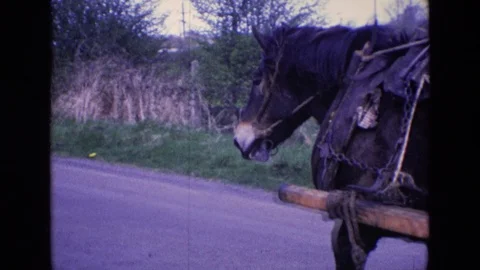
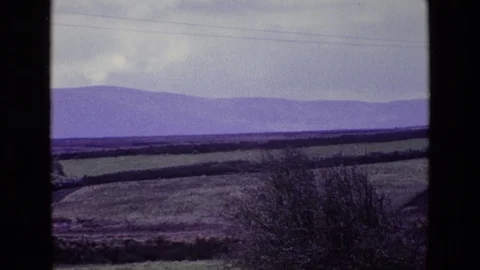
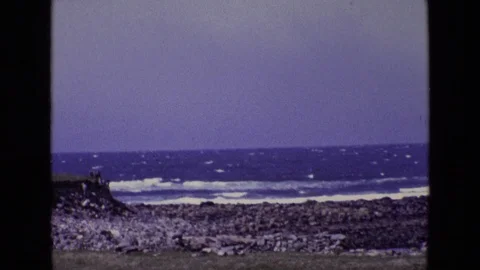
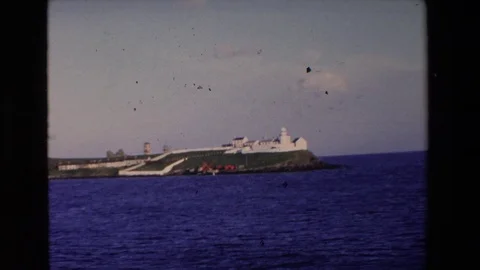
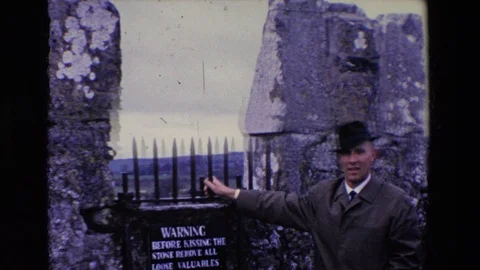
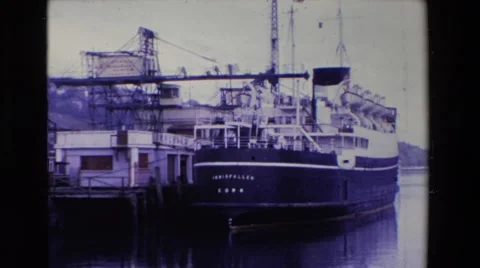
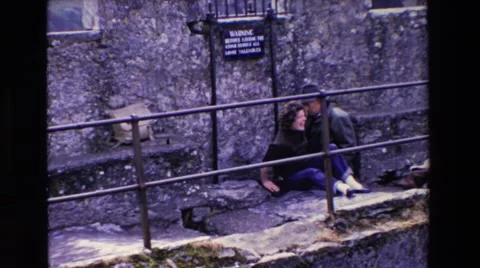
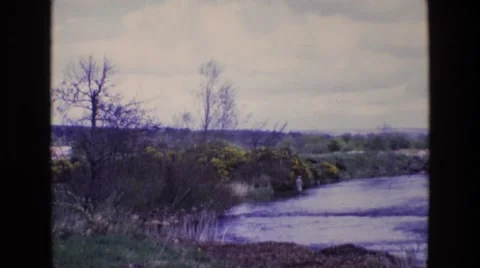
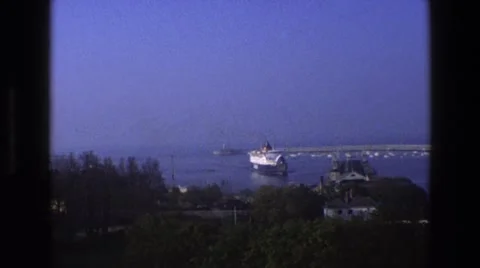
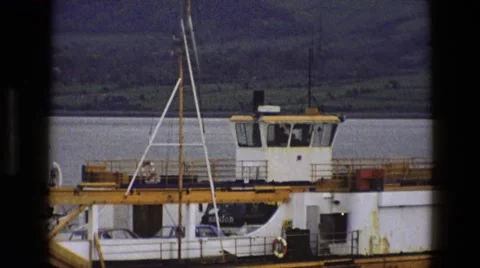
There's something inherently poetic and hauntingly real about 8mm film. As it flickers across the screen, the images are doused in the warmth and subtle haze of a thousand memories; imperfect, fleeting but alive, preserved in amber like precious relics from an era that can only be revisited on this grainy celluloid. In the first sequence, witness the playful innocence as a pair of cherubic-faced kids race around an open field. One can almost feel the tickle of the grass beneath their bare feet and smell the scent of a thousand uncut blades mingling with the salty Irish air. They chase a playful mutt around beds of vibrant blooms, the yesteryears seeping into the here and now through stuttering silhouettes in their primary-colored dress. Travel next to a lively scene at a lively county fair. It is a splendid display of life and community, one which exudes joy, and pride. The wooden booths and carnival attractions look nearly identical to their modern-day counterparts and remind the viewer of just how steadfast some elements of Irish culture truly are. It makes for a peculiar mixture of emotions — one moment in awe at the seeming immutability of it all, and in the next, an achingly profound sense of melancholy knowing that these same wooden structures now lay as rotting shadows under the moss that cloaks them, perhaps on some long forgotten backlot. In yet another segment, the picturesque beauty of Ireland’s cliffsides, castles, and winding countryside roads beckon from afar, transporting you back to that golden era when things seemed to move in perfect harmony with the rhythm of the universe. The visuals leave behind a sublime aftertaste that lingers even long after they’ve passed from sight, captivating one's innermost dreamer's soul, who can be heard to whisper in awe ""Did this paradise ever truly exist... did I touch those very stones?"" A family excursion to the wildly iconic Cliffs of Moher unfolds with all its breathtaking allure. Here the majestic landmark makes a jaw-dropping appearance as the cameraman captures an aged relative with snow-white hair peering out from the brink. The fragile emulsion plays witness to how time carries us ever onwards, erasing youth, replacing it with the deep marks that the lives we’ve lived leave upon our features – all this told with nothing more than that single, sunlit profile of a face worn wise. A panorama of fishing boats bobbing at the docks showcases Ireland’s intimate connection with its lighthouses that stand steadfast, eternal beacons amidst shorelines licked clean by timeworn tides. As the frames jump from boat to boat, you can’t help but ponder in awe: Do they sail the same seas, fifty summers later, carrying proud tradition through unfurling sails and knots? Intriguingly, these 1969 Ireland home movies reveal that despite time's best effort to weigh upon their souls, the spirit of humanity stands true and resilient – it has, after all, come bearing these captures into 2022 – and there is an enchantment in these tributes to times long gone, like moths to the flickering candle of a shared heritage, forever enlightening even in decay. In those 8mm frames, one encounters a past woven into every grainy moment; it seems as though every breath we’ve taken has been secretly gathered and stitched into this quilt, where each shard of celluloid reflects back the truths we left scattered behind through time's unforgiving course. These movies, much like time itself, are nothing less than magical, bearing memories from a seemingly simpler existence; like whispers of wisdom or fairytales spun across a vastness bridging then and now, whispering silently and evocatively of what always shall be. Together we watch these vivid scenes of bygone Ireland, witness to both loss and to the indomitable spirit that rises like a defiant banner across oceans of days now surrendered.
1969 Ireland 库存影片