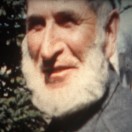
1946 Harrisburg Penn
(188)

I'm genuinely enthused about sharing the enchantment of your 1946 Harrisburg, Pennsylvania home movies captured on 8mm film. This collection of family memories and moments that depict everyday life during this unique period offers a distinctive lens into the past that has an unmistakable appeal, creating an irreplaceable historic and familial time capsule. Let's unpack why these movies, even to a contemporary viewer, embody authentic charm and why they might resonate deeply not only to the families that produced them but also to the wider community curious to look back into a distant yet surprisingly relatable era of local history. First and foremost is the sheer beauty of 8mm films themselves. As opposed to digital mediums that might degrade over time or suffer the whims of evolving technology, 8mm film retains its original quality with remarkably consistent imagery and audio quality across generations. Furthermore, it invokes a quintessentially nostalgic feeling as flicker, grains, and the occasional saturation give viewers an impression that they are journeying back to an analog era filled with warmth, innocence, and tangibility. The fact that these home movies were filmed at all speaks volumes to how valued family gatherings and life's milestones have always been. During a time when cameras were less readily accessible, it took foresight and care to capture memories to share with future generations, ensuring they did not slip into obscurity. It demonstrates how vital our human connection is in telling stories that are handed down, keeping our experiences real and meaningful to the present and forthcoming generations who would otherwise struggle to contextualize and envision life during a distant timeframe. As we step further into these historical reels, let's not forget how 1946 was just fresh in its release from the embrace of WWII. Society at large had to rediscover its sense of purpose, unity, and identity outside the throes of wartime strife. The family films from Harrisburg unintentionally paint a picture of America's triumph as they navigate peacetime with its soldiers' return, rejuvenation, and celebration of community ties that transcended through time and persevered. The genuine laughter that erupts, unrehearsed moments shared by family members, friends, neighbors, or passerby participants - it all speaks to our ability as humans to persist, adapt, and thrive during change and the merging together of lives and identities in that transition period. Finally, as we engulf ourselves in these home movie clips, one might unearth surprising connections and parallels between the lives of families living nearly a century ago with the people who reside in the same quaint town or the family home that proudly exists in Harrisburg even today. There might even be a recognition of landmarks, iconic locations, and personal artifacts that add a deeper sense of authenticity, enhancing appreciation for those little details and contributing in-depth value to modern Harrisburg history. These records aren't just about nostalgia for a bygone era – they paint a portrait of life and human experiences during an age in American history that's so unlike what our contemporary eyes behold but nevertheless offers valuable lessons, resilience, and proof that people then were not so different than the people of today in many of our daily wants, needs, celebrations, struggles and overcoming the odds in order to build our future together, step by step, day by day. In short, this collection of family memories shot on 8mm film has significant cultural and personal significance. It encapsulates genuine, spontaneous moments while showcasing the timeless essence of family gatherings that touch on the relatable aspects of life – the good and the hardships – as people forge on in life. By allowing ourselves to soak into the human narratives revealed in these films, we become richer in appreciation of where we've come from and how our present-day lives can be more richly contextualized. After all, history serves many purposes; among these include understanding who we were and recognizing our present through the mirrors of those who have come before.
1946 Harrisburg Penn 库存影片


