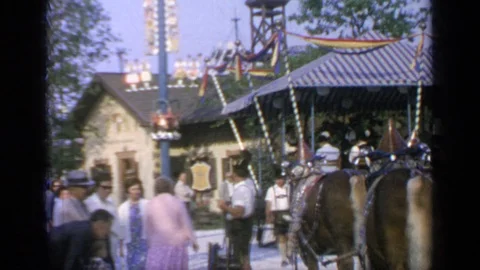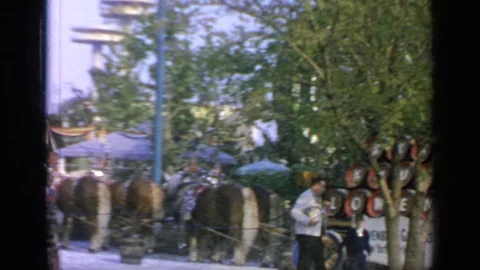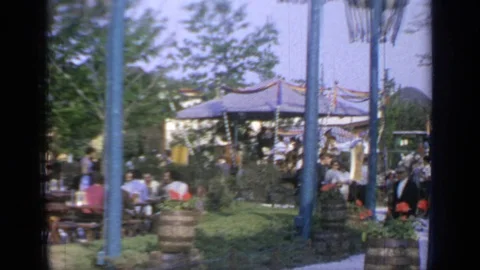
1964 FLUSHING MEADOWS NEW YORK
(250)

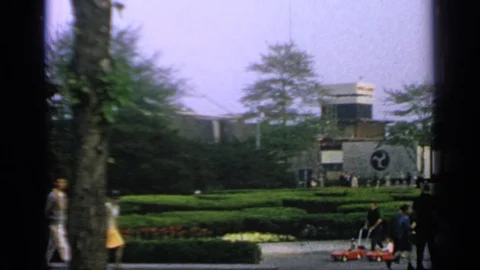
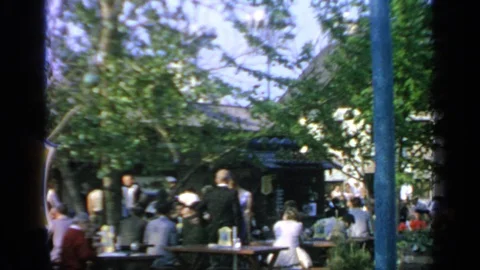
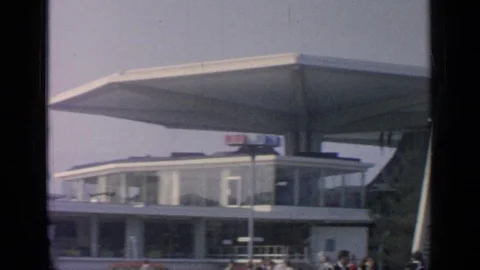
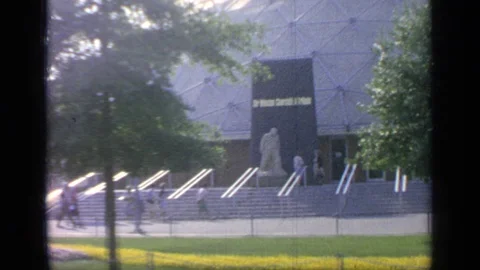
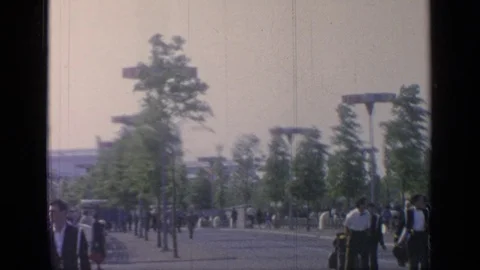
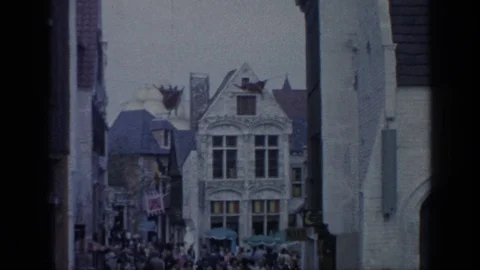
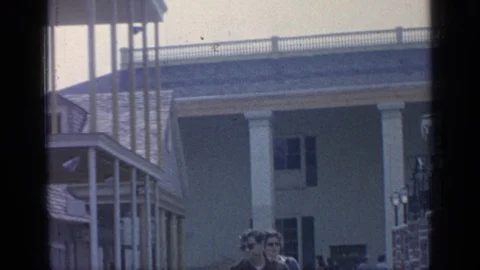
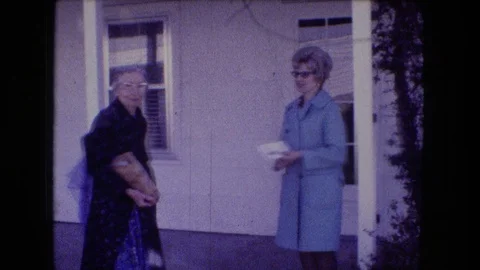
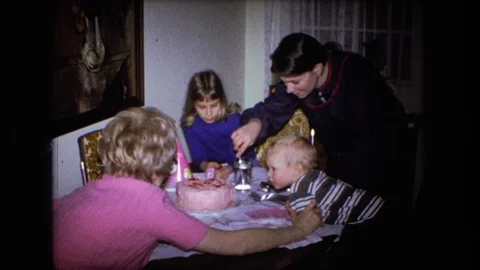
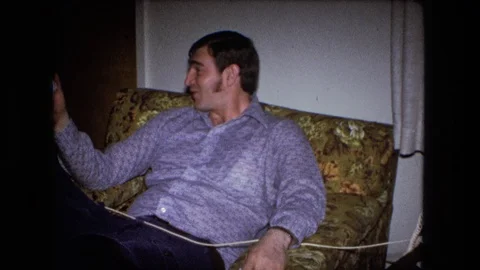
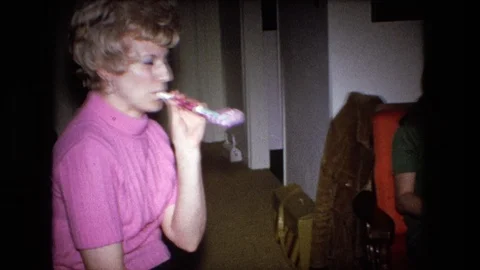
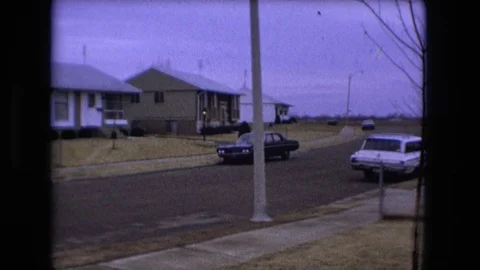
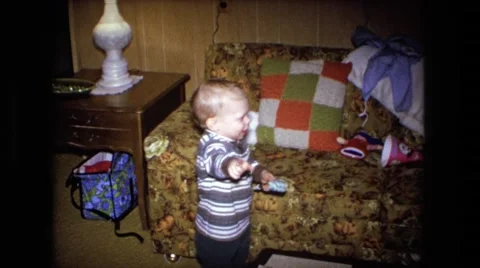
The Flushing Meadows 8mm home movies from 1964 are a real treasure, a time capsule that gives us an intimate and genuine look into the past. When I first held these film reels in my hands, I felt the weight of history and a connection to a different era. It's astonishing how such fragile materials can keep our memories alive and transport us to a different place and time. If we let our imagination flow while observing these movies, we can picture a bustling neighborhood with kids running through the streets and families gathered around the television set to watch The Ed Sullivan Show. New York in 1964 was brimming with energy, creativity, and promise of progress. As these silent 8mm films roll and capture snippets of everyday life in Flushing Meadows, they offer us an invaluable opportunity to connect with ordinary people who have long since passed on. In essence, these home movies humanize our past, creating an intrinsic desire within ourselves to learn from our past while moving forward into the present day. The grainy images are windows into the lives of those who inhabited Flushing Meadows more than half a century ago. Watching the reels, you might notice an innocent curiosity as people strolled around Flushing Meadows-Corona Park, or sat casually on grassy lawns under leafy trees, enjoying the simple pleasures that are so characteristic of days long forgotten. There's something charmingly raw and nostalgic about their expressions and behaviors, that remind us of both our collective cultural past, and how much life in New York City has evolved and grown. One distinctive trait about 8mm film is how it offers a slice of authentic human experience untainted by commercial interests and curated narratives. Unlike many mainstream documentaries or media produced during the era, which was often biased and manipulative, 8mm home movies allow us to witness reality as it happened without artifice, framing, or manipulation. And perhaps that is why these 8mm films appeal to our core desire: to preserve candid moments of human history in an honest way, unaffected by popular trends or prevailing sentiments. There is another fascination related to the technical aspects of these Flushing Meadows films as well. 8mm film is one of the earliest affordable consumer-based mediums for home movies, granting amateurs access to capture moving images at home for generations to come. Producing images using a tiny reel and hand-wound devices, the format signifies both an accessibility of culture and an eagerness to take advantage of emerging technologies. The delicate materiality of 8mm films begs the question of how long we can continue to protect them for the enjoyment of future generations. Conservation and digital transfer become pressing concerns, lest we risk allowing time to eat away these delicate materials until nothing but blank strips of plastic remain, with all those memories of yesteryear forever lost to us. Fortunately, some organizations recognize the immense historical importance of these 8mm home films, and painstakingly restore and digitize reels, so their precious records are available for our study and appreciation. It is these efforts that protect our collective visual memories of an important era and give us a greater understanding and appreciation for our complex and rich histories. Reflecting upon the films and their unique impact, I find the silent 8mm clips elicit an appreciation for time spent and cherished moments, even without words or a traditional story arc. As these images travel silently through frames at 18 per second, it’s like the echo of life lived years ago—bringing forth feelings of empathy and warm nostalgia that truly resonate. A collection of Flushing Meadows 8mm home movies is more than a cinematic time capsule. They serve as reminders of a shared cultural history, the beauty of everyday living, and a way for us humans to identify, preserve, and build upon the very fabric of the experiences that bind us all together.
1964 FLUSHING MEADOWS NEW YORK 库存影片