1969 Fort Wayne Indiana
(57)

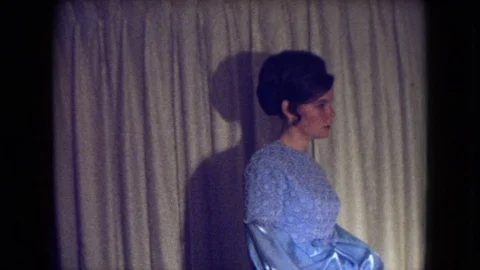
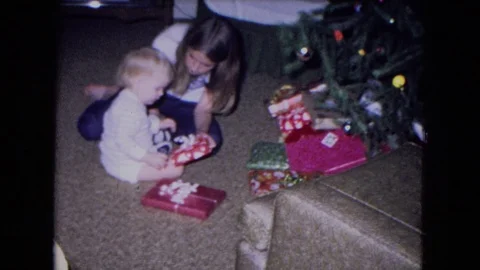
To set the scene, picture families and friends playing in their backyards and enjoying picnics in one of Fort Wayne's parks, perhaps it could have been a picturesque day in Foellinger-Freimann Botanical Conservatory. These 8mm reels preserve a microcosm of Midwestern life during that special era, which contrasts significantly with our contemporary world of touchscreen interfaces and the relentless digitalization. In these movies, you will witness authentic connections among family members and the people who contributed to the weave of Fort Wayne society. Kids, their laughter unfettered and pure, appear on the grainy, nostalgic frames. At that time, the younger generation of baby boomers had taken part in shaping a new era defined by an outburst of inventive music, defiance in culture, and astronauts landing on the Moon. They grew up at a turning point when people worldwide dreamt and hoped for an idealized future together, hand-in-hand with this progress. In the footage, maybe you see Fort Wayne's iconic architectural structures like The Lincoln Financial Group building, completed in 1967 and instantly dominated downtown's skyline with its 22 stories, reflecting Fort Wayne's growth. It's plausible to find people shopping downtown in the bustling scene at G C Murphy, where moms and grandmothers took their children. As the reel advances, perhaps a familiar car is observed —a 1967 Chevy Caprice or, more notably for that era, the Camaro, introduced a year before the Ford Mustang's redesign in 1969. These films provide more than just snippets of footage and audio in the Fort Wayne area. They represent innocence, reminding us that in an era filled with challenges and alterations, the world continues revolving in a persistent, albeit varied tempo. It reminds us that no matter how much the scenery appears to shift, human experience, empathy, and love stay constant, holding us firmly attached and embracing the wonder that life bestows. Viewing these films also sparks the imagination of their possible creator —perhaps someone enthusiastically embarked on an intriguing endeavor. Amateurs delved into the new realms of amateur 8mm films at that time to record their memories and convey them to posterity, providing the modern viewer with an endearing link to that lost, transitional world. Conversely, the film stock and projection process were also transforming in the 1960s, giving birth to new equipment like lighter cameras and improved emulsions that ensured better images. You could assert that these Fort Wayne, Indiana home movies represent not just a portal into past realities, but also into an interesting turning point in photography's own development as a form of art. As technology expands its grasp in our everyday existence, rediscovering these vintage glimpses into history brings new implications. It offers us an unscripted, genuine story —a stark counterpoint to modern culture where polished advertising and content consumption appear to shape our realities to a progressive extent. Home movies offer us a unique ability to listen to genuine human experience: unscripted and raw, enchanting yet full of emotional power, even 50 years following the real events that inspired them. So, delve into the stories encapsulated in those reels of Fort Wayne's 1969 life with affection and sentiment, knowing full well that the warmth, charm, and innocent bliss captured by frames and flicker embody the heart of the era's authentic charm.
1969 Fort Wayne Indiana Stock Footage