1969 WASHINGTON DC
(70)

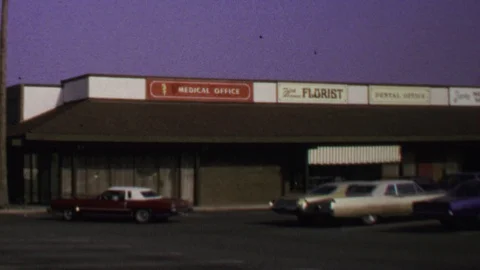
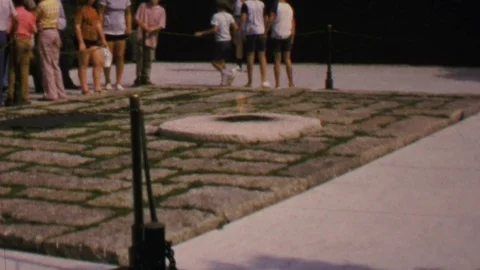
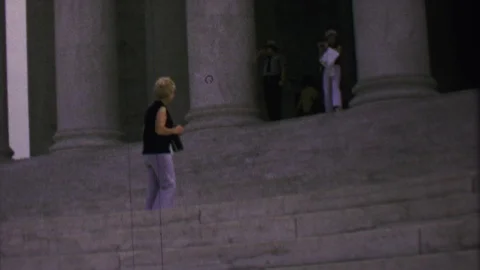
In the late '60s, Washington DC was a hive of excitement, brimming with history and teeming with political energy. Amid this sea of activity lived a family who decided to capture moments in time through a lens most of us now consider ancient—an 8mm film camera. It may seem strange in an era of digital screens, high-definition videos, and instant uploading, but this archaic format had an enchanting quality that continues to touch our collective hearts half a century later. As I watched these 1969 8mm home movies, my soul was immediately flooded with warmth. The crackly and saturated visuals transported me into the lives of this Washingtonian family, providing a vivid view of life during those years. Although the audio is entirely absent, my imagination was sparked by the grainy footage and filled the void with lively sounds and laughter that breathed life into their recorded lives. What makes this time capsule feel undeniably human? There is something visceral and profoundly evocative in these silent reels that resonates deeply within our inner workings—an essence that digital formats have yet to embody completely. The organic texture of each frame gives way to vulnerability, revealing an unparalleled depth of emotion that surges from the imperfect imagery. This humble, tangible timepiece strips us bare and enables us to engage with history on an almost biological level. Whether we are witnessing little Sally joyously riding her new two-wheeler for the first time on a calm and sunlit day or joining Dad for an afternoon in the iconic Smithsonian, these snapshots of the 1969 DC scene possess a conversational undertone that effortlessly immerses the viewer into an era bristling with nostalgic appeal. Moreover, it is hard to ignore the political backdrop that charged these historical scenes. Washington DC in '69 was still roiled with after-effects from Civil Rights demonstrations and anti-war sentiment, a simmering background context that breathes urgency and weight into seemingly innocent depictions of family leisure and bonding. Perhaps this persuasive facet of the collection, rooted as it is within the confines of human connectivity, fuels my desire for the continued restoration and archiving of such heirlooms. I embrace this opportunity to travel through time with this enchanting family footage, forming my very own internal dialogue, reflecting the genuine heart that emanates from each precious snippet captured on film. It strikes me that even without spoken narrative or written explanation, the intimate stories conveyed through the passage of these frames allow us, with authentic finesse, to experience humanity’s core desires and trials from a perspective both refreshingly different yet somehow strikingly familiar in a way only a collection like this could ever offer us.
1969 WASHINGTON DC Stock Footage